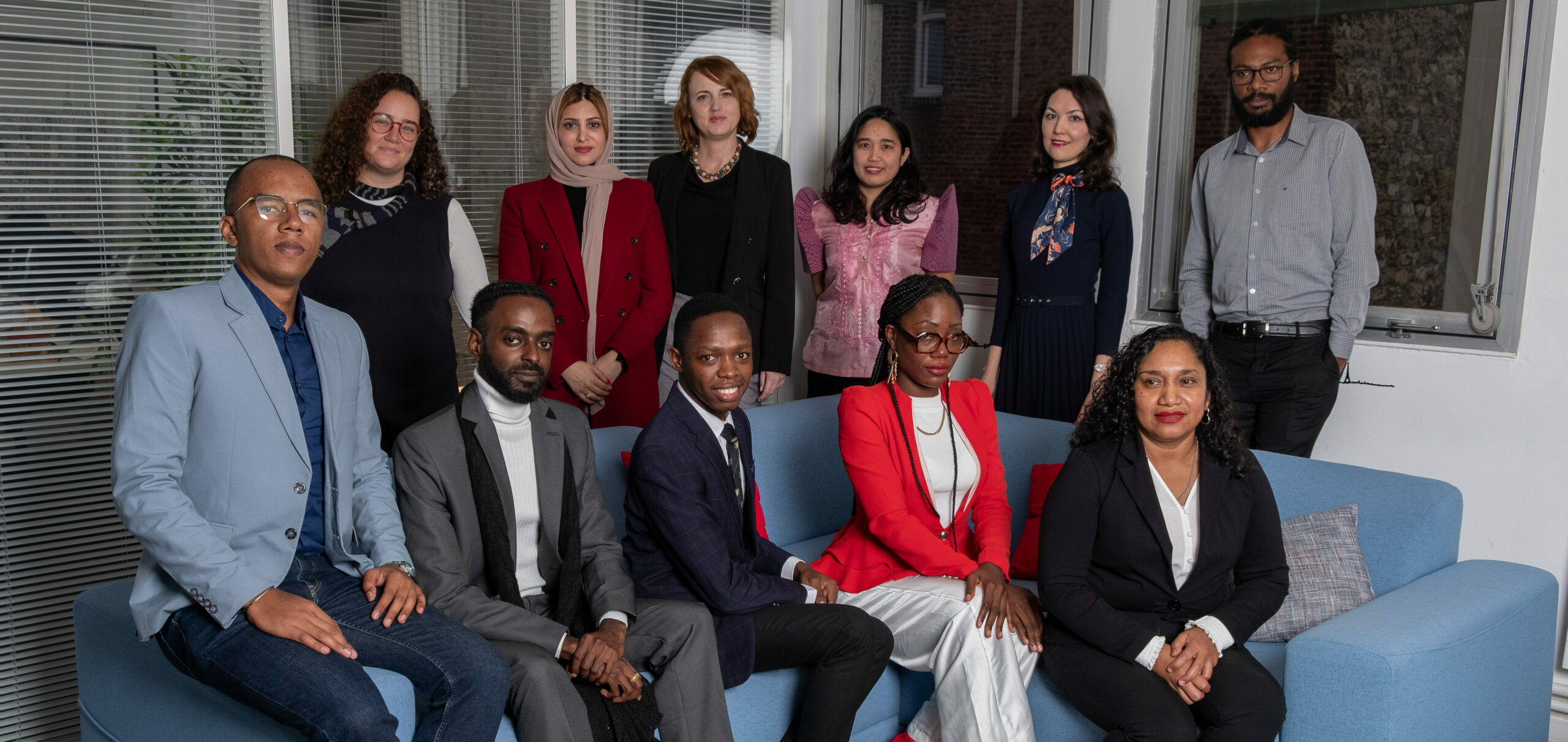
The laureates
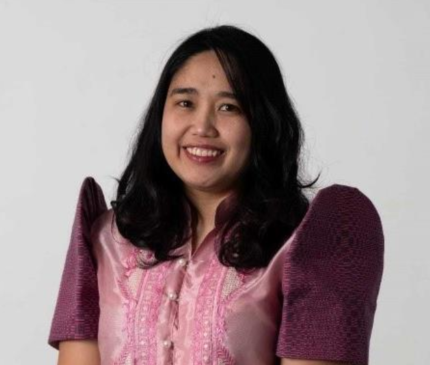
BRILLO Daysheelyn Anne
Social and economical rights, environmental rights, indigenous people's rights
Description
Daysheelyn Anne Brillo is a Filipino professor and attorney at the Legal Rights and Natural Resources Center of Friends of the Earth Philippines. This organization works to promote and protect the human rights of indigenous peoples. Her work involves advocating for rural communities by training them in documenting and responding to human rights violations.She advocates for corporate environmental responsibility at the international level. As part of this effort, she has published a legal research paper titled “The Global Pursuit for Justice for DBCP-Exposed Banana Farmers.” She also advocates for reforms that guarantee access to justice for victims of human rights violations and environmental disasters.
"Recognizing the land rights of Indigenous peoples is essential to addressing the climate crisis."
Daysheelyn Anne BRILLO interview - 07/23/24
Can you please introduce yourself?
My name is Daysheelyn Anne Brillo. I am a Filipino lawyer specializing in environmental law and indigenous peoples’ rights. I work at the Legal Rights and Natural Resources Center, also known as Friends of the Earth Philippines. I also teach environmental law at Caloocan City University.
What is your commitment as a human rights advocate?
Our organization is dedicated to protecting the environment, defending the rights of indigenous peoples, and securing recognition of their land rights. In particular, we provide legal services to local communities that face difficulties in asserting their rights.
I also advocate for environmental democracy—that is, the inclusion of local and Indigenous communities in decision-making processes that affect the environment. In particular, this means that they must be consulted before large-scale projects are built in their region.
Environmental oversight in the Philippines has a flaw that could be corrected by allowing citizens and communities to monitor and publicly critique compliance with existing regulations. I am committed to this cause because, in the Philippines, environmental impact statements are considered confidential documents. I advocate for transparency and for the public’s right to access this information.
Why did you decide to advocate for human rights?
My involvement began in 2019, when I met the Dumagat community, an indigenous people facing the threat of displacement from their ancestral lands in Alga due to a government road-building project. I wanted to help them, but I had just graduated and lacked the necessary resources.
That’s when I discovered Friends of the Earth Philippines. Thanks to this organization, I was able to represent the community and submit a report to the Philippine Senate. The Senate ultimately acknowledged that the construction of roads leading to their lands had taken place without their prior and informed consent. That’s how I began my work to protect environmental and human rights.
How did the Marianne Initiative help you bring your project to life? Which activities were most helpful to you during the program?
I was delighted to study the French law on corporate due diligence, a piece of legislation that does not exist in the Philippines. I had the opportunity and pleasure of meeting with Friends of the Earth France, which played a central role in promoting this law. I also learned about France’s major role in the negotiations for the European directive on corporate sustainability due diligence (CS3D).In addition, I met with the International Federation for Human Rights (FIDH), which has filed lawsuits challenging the scope and effectiveness of this law, thereby ensuring that French companies’ operations abroad comply with human rights and environmental standards.
I also deepened my understanding of environmental democracy and the inclusion of local communities in decision-making processes. I was able to build a network among European civil society organizations and meet key figures in the promotion of human rights and the environment. For example, I met Michel Forst, a member of the Marianne selection committee and the UN Special Rapporteur on environmental defenders and access to environmental information. Our discussions about his work at the UN were particularly enlightening and enriching. I learned about the importance of access to environmental information and public involvement in projects that have an impact on the environment.
What were your projects once the program ended ?
I returned to the Philippines to continue my work. Next month, we will launch campaigns on the right to environmental information. We are advocating for environmental transparency and inclusive, participatory governance for projects that are harmful to the environment.
Would you like to add something ?
I would like to express my deep gratitude to the Marianne Initiative. I met some wonderful peers and learned a great deal from them—not only about their respective cultures, but also about project management, proposal writing, and effectively following up on initiatives. Thanks to them, I have regained hope for the improvement of human rights around the world.