The laureates
Description
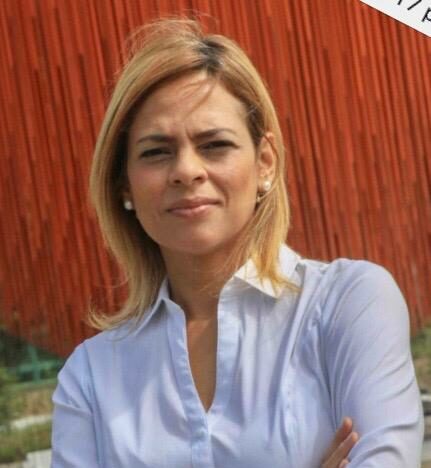
Ana Leonor Acosta Merida is a Venezuelan lawyer, activist, and human rights defender. Since 2014, she has been defending political prisoners in her country and representing opposition political leaders and student leaders. She has represented several victims of repression—who have been reported missing, arbitrarily detained, and tortured—before national and international bodies. Ana Leonor has also campaigned on several occasions for the release of political prisoners in her country. She founded the Coalition for Human Rights and Democracy (CDHD), a civil society organization that exposes cases of persecution. The laureate has also fought in the past against the lack of safeguards in the judicial system.
Ana Leonor Acosta Merida interview - 06/21/23
Can you introduce yourself ?
My name is Ana Leonor Acosta Merida, and I am a Venezuelan human rights lawyer.
Can you tell me more about your project and your association ?
My goal is to create spaces for dialogue where people can discuss democracy and the future of Venezuela, thereby facilitating peace negotiations in our country. I am the executive director of the Coalition for Human Rights and Democracy (DDHH), an NGO that defends political prisoners and exposes cases of torture and degrading treatment. Our organization fights for fair trials and the release of prisoners who have been unjustly incarcerated and improvements to the Venezuelan judicial system. Our mission is to rebuild democracy in our country and create spaces for peace.
How did the Marianne Initiative help you bring your project to life? Which activities were most helpful to you during the program?
The training sessions helped me a lot, especially those related to project management. The discussions with human rights NGOs were also very helpful, particularly with those that have more than 20 years of experience. This allowed me to gain a new perspective on how our work can have a positive impact on human rights. My perspective has evolved thanks to these encounters, and I really appreciated being able to share our respective experiences. The program’s activities were very diverse. The courses at Sciences Po were of high quality and highly relevant, particularly those on negotiation and leadership, as well as those on social movements.
What are your plans after the program ends?
I’m going to return to Venezuela, put what I learned during the program into practice, and share my knowledge with my colleagues. I’m going to continue fighting for the release of political prisoners, human rights, democracy, and peace.
Would you like to add anything else ?
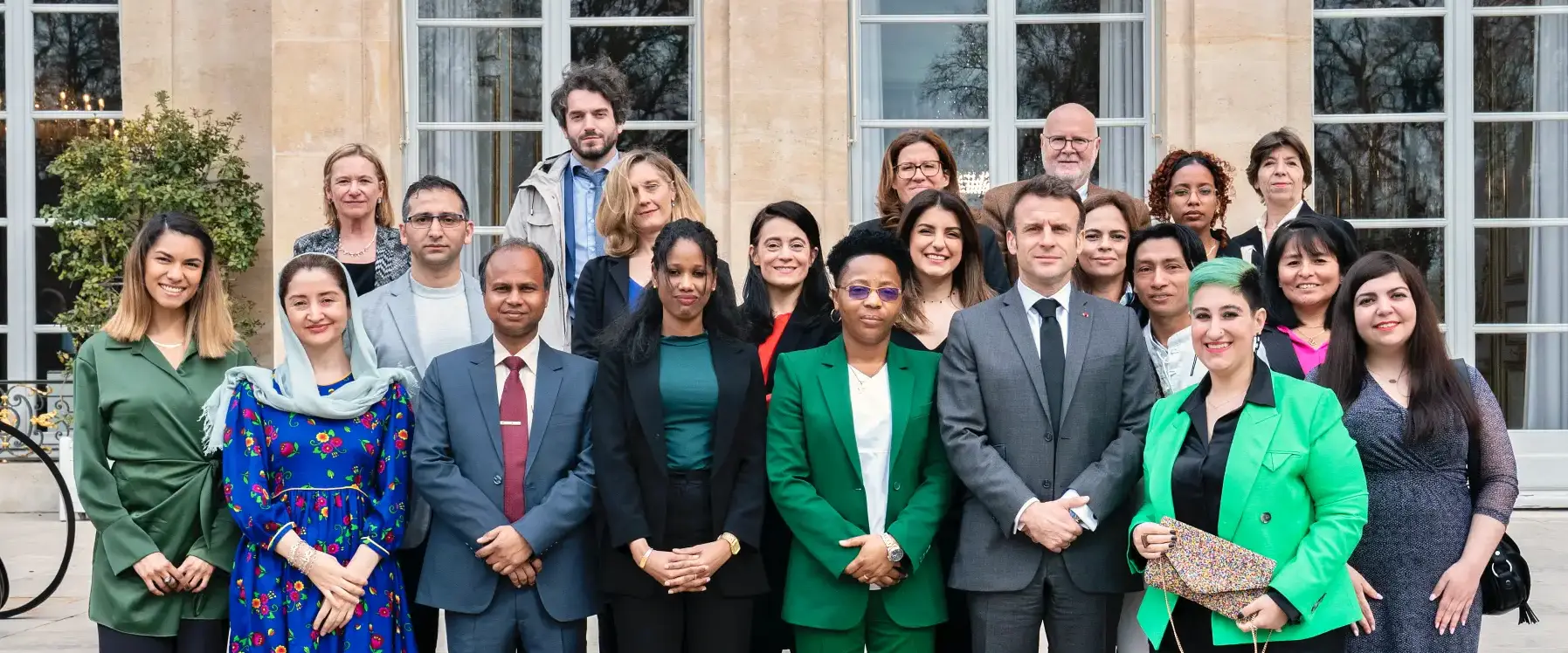
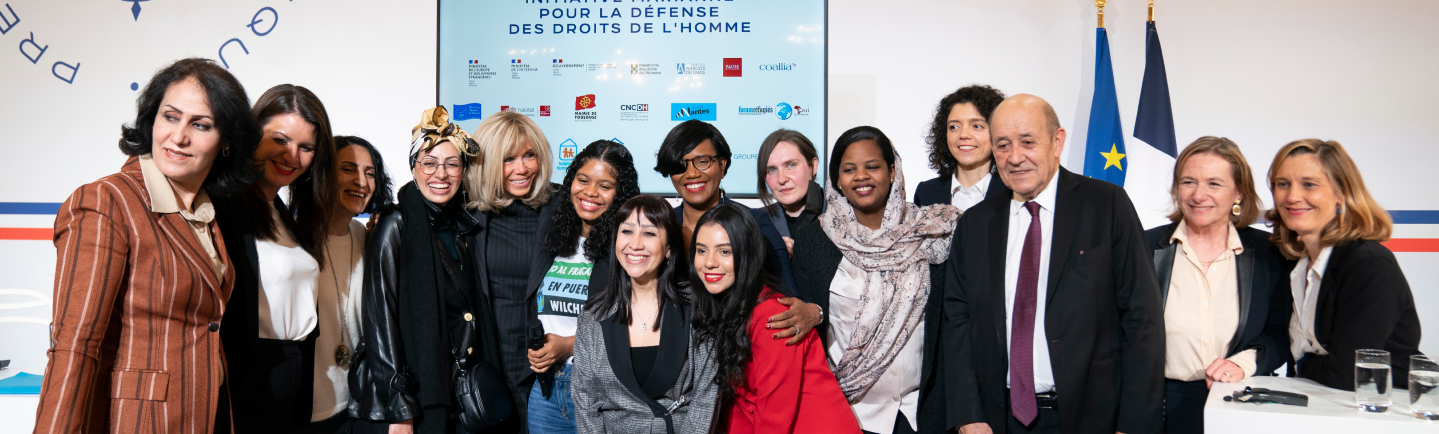
Thanks to the Marianne Initiative, I was able to broaden my perspective and consider other possibilities in terms of activism. Sharing experiences with the thirteen other awardees allowed me to view the situation in my country from a different angle, so that I can continue to make progress in the defense of human rights.