The laureates
Description
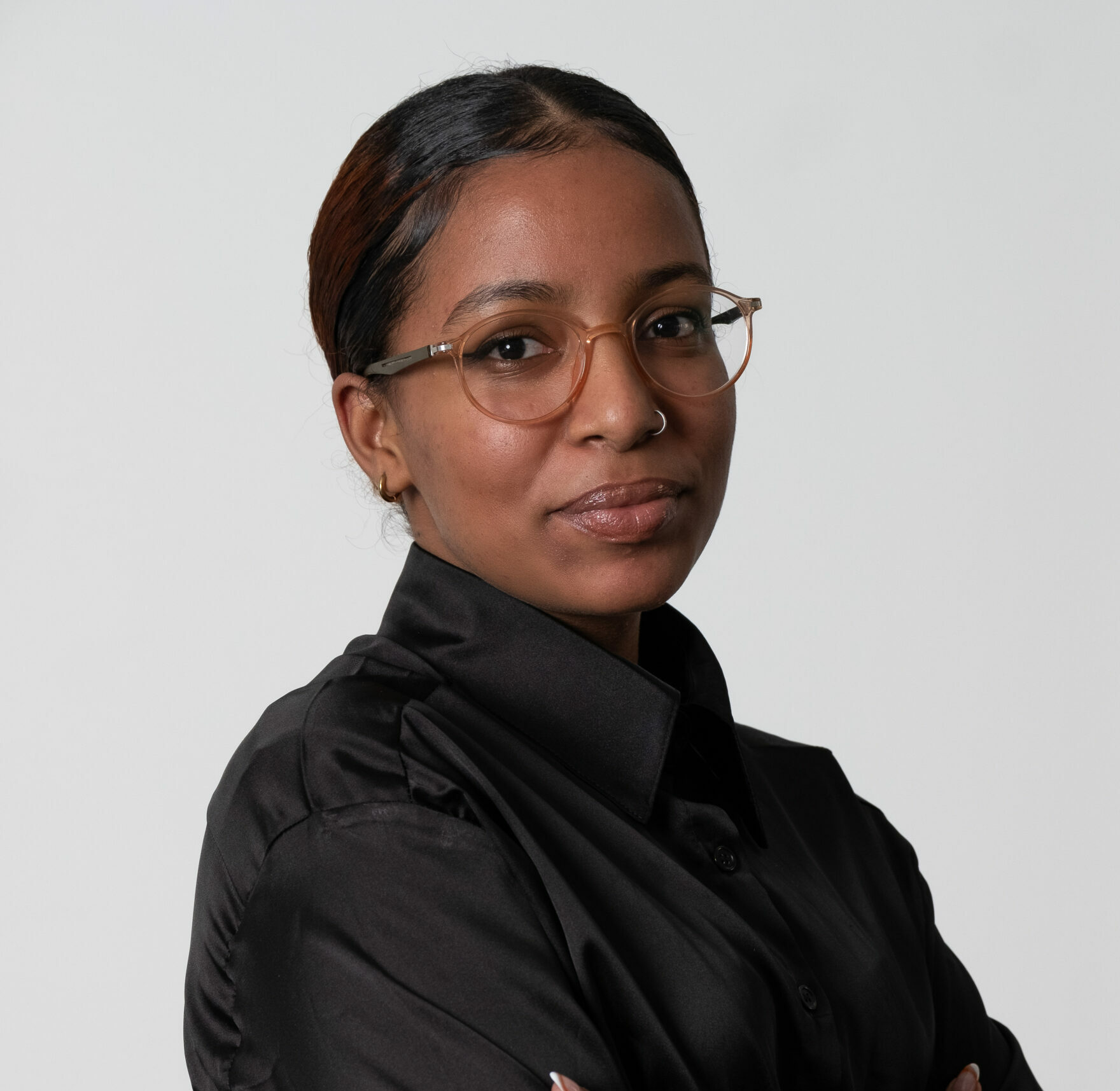
Safina Virani is a Ugandan feminist with a degree in international relations, specializing in peace and conflict. Her commitment to women’s rights began during her studies, a time when she also advocated for the integration of refugees in her country. She is one of the founding members of Frauen Initiative Uganda. This organization provides victims of sexual assault with medical care, legal advice, and psychological support. Safina is an advocate for women’s liberation and also serves as a global advisor for the FRIDA Feminist Fund.
Interview Safina VIRANI – 25 juin 2024
Can you please introduce yourself?
My name is Safina Virani, and I am a Ugandan feminist. I currently work for Frauen Initiative Uganda and the FRIDA Young Feminists Fund.
What is your commitment as a human rights advocate?
As a feminist, I advocate for women’s rights, and more specifically against sexual and gender-based violence. My work with the Frauen Initiative Uganda involves promoting access to emergency medical care for victims of sexual violence.
In Uganda, two out of every three HIV infections occur among girls under the age of 18. Our organization works to promote education and access to care in order to reduce the risk of infection among young women. We also provide legal and psychological support to victims of sexual violence.
At FRIDA, we provide grants to local organizations that carry out feminist initiatives in sub-Saharan Africa. My role involves reviewing grant applications and making recommendations to improve them. In addition, I advocate for gender justice and against period poverty. In particular, I have led campaigns and organized breast cancer screenings in women’s prisons in Uganda.
Why did you decide to advocate for human rights?
In my home country, the human rights situation is critical, and the situation regarding women’s rights is even more alarming. Faced with these injustices on a daily basis, I decided to take action: I began advocating as a teenager by co-founding my high school’s “community service club” and leading awareness-raising initiatives within my community. The issue of menstrual insecurity among young girls had a particularly profound impact on me, convincing me of the need to actively participate in change.
Par la suite, j’ai travaillé avec les communautés de réfugiés, plaidant pour leur intégration en Ouganda. J’ai été profondément touchée par les histoires de femmes victimes de violences sexuelles pendant les conflits, ce qui m’a poussé à étudier les relations internationales pour œuvrer dans les domaines de la paix et de la résolution des conflits. Lors du confinement lié à la pandémie de Covid-19, l’Ouganda a connu son propre mouvement Me Too, où de nombreuses femmes ont dénoncé les abus sexuels qu’elles avaient subis. Cependant, la situation n’a guère évolué.
Faced with this reality, I surrounded myself with young feminists, and we decided to create a safe space where victims of sexual and gender-based violence could share their stories. We then founded our organization, realizing that a safe space alone was not enough to address the system’s shortcomings.
How did the Marianne Initiative help you bring your project to life?
I am delighted to have had the opportunity to meet other human rights advocates, as this experience allowed us to learn a great deal from one another. Working with feminists whose perspectives differed from my own was very enriching.
The program also put me in touch with Médecins du Monde, with whom I will now be able to collaborate. This will enable me to secure funding to support my organization over a two-year period, which is an exceptional opportunity. Thanks to this grant, we will be able to provide services on a national scale. This would not have been possible without my participation in the Marianne Initiative.
What were your projects once the program ended ?
Upon my return to Uganda, I continued my fieldwork as a feminist. I focused primarily on one of our organization’s projects related to group therapy. Since then, we have been working to raise awareness of our work and grow our organization. We are seeking to expand our capacity in order to address the rising levels of gender-based violence.
Today, I want to grow my organization, and it looks like that might become a reality, thanks to the grant we’re going to receive.
Personally, I would like to earn a master’s degree in gender studies or governance and diplomacy, with a focus on peace and conflict or on gender issues. My goal is to be able to work with victims of sexual violence in conflict zones. The African continent is facing numerous conflicts, and the sexual violence that occurs there is often underreported or does not receive adequate support from specialized services.