The laureates
Description
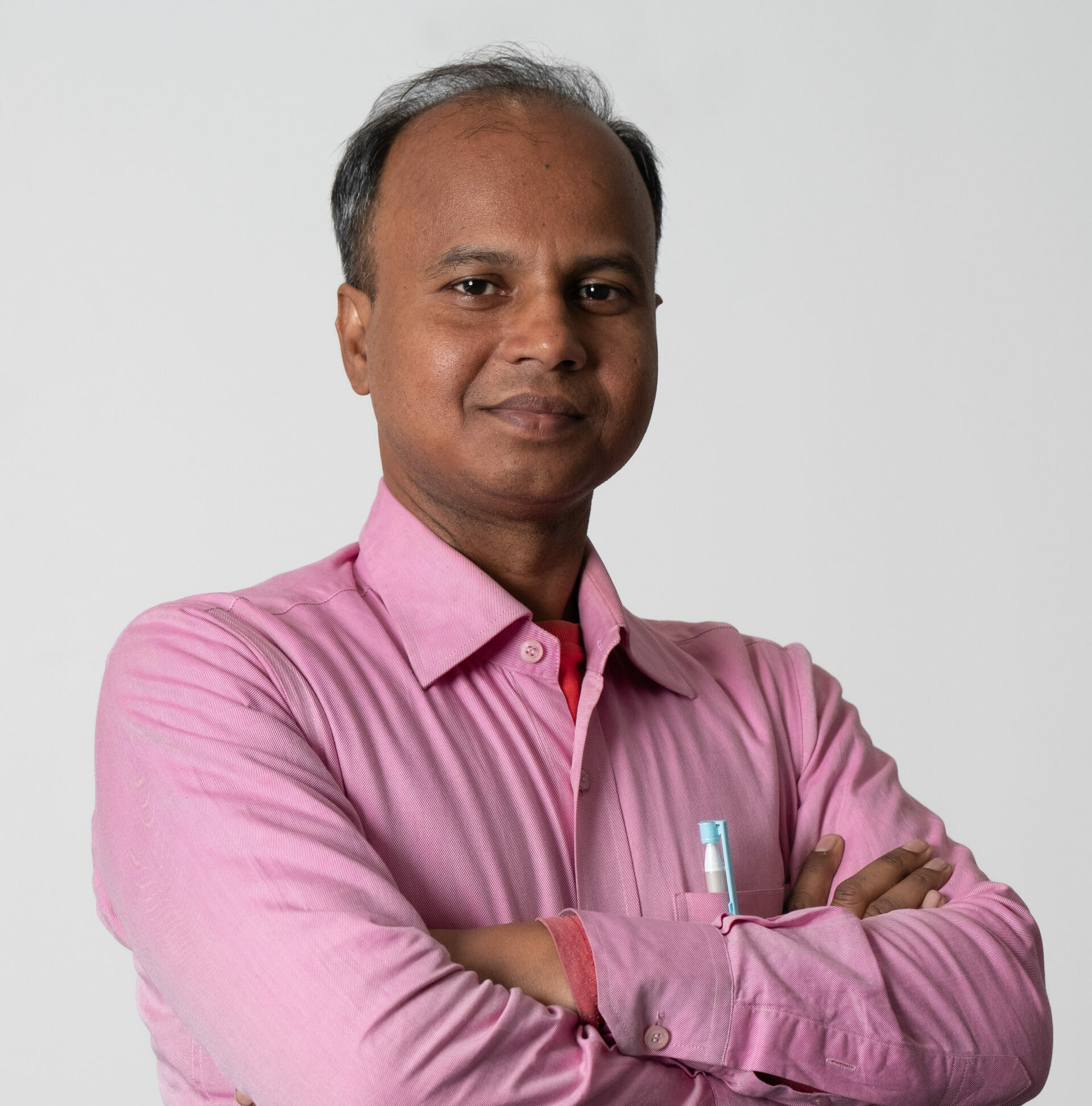
As a Bangladeshi human rights advocate and lawyer, Shahanur Islam defends the rights of ethnic, religious, social, and sexual minorities, as well as victims of torture, extrajudicial executions, enforced disappearances, and organized violence. He has several years of experience in the fields of human rights, criminal justice, and advocacy, both nationally and internationally. Shahanur is the founder of JusticeMakers Bangladesh and the first human rights defender in his country to have filed criminal charges against the Rapid Action Battalion and the military for torture and murder. The awardee has also lobbied the European Parliament and the Dutch Parliament for constitutional recognition of LGBTQI+ people in Bangladesh. He has been the target of repeated death threats, intimidation, and physical assaults because of his commitment.
Shahanur Islam interview - 07/24/24
Can you introduce yourself ?
My name is Shahanur Islam. I am a human rights defender from Bangladesh who is currently a refugee in France. I am the founder of the organization JusticeMakers Bangladesh (JMBF). My work focuses on supporting ethnic, social, religious, and sexual minorities, as well as victims of torture, extrajudicial killings, enforced disappearances, organized violence, and political repression.
What is your commitment as a human rights advocate?
I work to defend human rights in Bangladesh, particularly the rights of the LGBTQIA+ community, social minorities (Dalits), and ethnic minorities. I provide legal support to victims of torture and extrajudicial killings, as well as to human rights defenders, lawyers, and journalists who are under threat because of their activities.
Recently, I have published reports on the state of LGBTQIA+ rights in Bangladesh, on the situation of Hindus, and on torture and extrajudicial executions in Bangladesh. I also engage in advocacy through the media, with various embassies, the government, and UN bodies.
Why did you decide to advocate for human rights?
When I was younger, I was particularly struck by violence and injustice. Little by little, this awakened a sense of rebellion within me that turned into concrete action when I entered college.*
First, I became involved in human rights advocacy through university organizations. Then, I joined an organization as a staff member, where I was able to put my beliefs into practice and work directly in the field to defend the rights of the most vulnerable.
How did the Marianne Initiative help you bring your project to life?
Thanks to the Marianne Initiative, I have gained skills in project management and monitoring and evaluation—key areas for the success of any human rights initiative. The workshops and training sessions I attended have enabled me to better structure and plan my actions and to rigorously monitor our activities in order to assess their actual impact on the ground.
The Marianne Initiative also gave me the opportunity to meet and exchange ideas with other human rights defenders from diverse backgrounds. These exchanges were extremely enriching and allowed me to discover new perspectives and approaches, which I was able to incorporate into my own work.
Once the program was over, what did you do ?
I founded the French branch of the JusticeMaker Bangladesh association. We have published key reports on the rights of LGBTQI+ people in Bangladesh (2022 and 2023), on torture and extrajudicial executions, on violence along the India-Bangladesh border, and on violence against lawyers.
We also participated in demonstrations in Paris against the repression of minorities in Bangladesh and in support of anti-discrimination student movements. Our association is a member of several international organizations, including Transgender Europe and MenEngage Europe.
I presented research on the situation of LGBTQI+ people in Bangladesh at the International Conference on LGBT Studies in Berlin in 2023, and in June 2024, I gave a speech in Geneva on the legal challenges faced by refugees at an event organized by PILnet and other partners.
Our statements received extensive coverage in the Bangladeshi and international media. However, our fundraising efforts have been more difficult than expected.